Stories from
the studio.
Behind-the-scenes stories, creative inspiration, honest reflections, and the occasional brutally honest thought. This is where I share what's on my heart — and in my clay.
When you grow up with a painter for a father, you learn things about balance and perspective without realizing you're learning them. Turns out everything he talked about at the easel applies just as much to making jewelry as it does to painting. This is what actually makes an earring good to wear and why balance matters more than symmetry every single time.
A personal realization about staying too quiet in business, and the real commitments I'm making to be more direct, bold, and visible in what I share and sell.
Every maker remembers their first market. The preparation that feels both thorough and wildly insufficient. The night before when excitement and nerves become indistinguishable. I knew I needed to make myself a pair of earrings for the occasion — not just any pair, but one that showed what was possible. This is the story of those earrings, that day, and what happened right after.
I was diagnosed with endometriosis in December 2017 after emergency surgery for a ruptured cyst. But the truth is I had been suffering for fifteen years before that. This is the story of what the years since have looked like: a second surgery, IVF that didn't happen, a specialist at UVA, and the ongoing work of living inside a body you cannot see. And why I do not always feel like a warrior.
I have a complicated relationship with content creation. The actual art of it, the writing, the images, the putting an idea together, I genuinely enjoy. The pressure and the relentlessness and the way it steals time from actually making jewelry? That part I could do without. After over a dozen strategies and way too many doom-scrolled reels, here is where I have finally landed.
An earring card is a two-inch piece of paper. Most people look at it for three seconds and put it in a drawer. I have spent more time thinking about mine than I will ever fully admit. This is the story of how a hand-carved stamp became a hand-drawn silhouette, and why Kate Winslet is on an earring card going home with women who deserve to hear what she has to say about aging.
I am an Enneagram 6. Which means I have thought about every possible way this could go wrong. Not occasionally — constantly, reflexively, before the idea has even fully formed. Running Anam Cara Clay Goods has made me see my 6ness more keenly than almost anything else in my life. And then a friend asked me a question I wasn't ready for: but what if the good thing happens instead?
It's usually after 6 or 7pm when I sit down in my studio. Josh is in the den, the house is quiet, and I'm already calculating how much I have left. Some evenings the clay absorbs me until 11pm. Some evenings the couch gets me first. Both of those evenings are part of the same story — and so is the endometriosis that shapes all of it.
I have always dreamed of working for an editorial company. Magnolia. Southern Living. Something beautiful and story-driven you could hold in your hands. And then one day a thought stopped me in my tracks — why can't I just make my own?
Bold is relative. Before I started making my own jewelry, my style was ordinary — safe, typical, nothing that announced itself. I didn't know yet what I was capable of.
Nobody is coming over on Mondays. I work from home — coffee, emails, admin work. No reason to bother. And still, every single Monday morning, I put on a pair of earrings. Not for anyone else. Just because something feels off when I don't. This is the case for wearing the beautiful thing on the day that doesn't seem to warrant it.
Before I was a jewelry maker, I was a chef, a dance teacher, a summer camp arts director, a substitute teacher. In every single one of those lives, I was teaching. Having workshops as part of Anam Cara Clay Goods was never a question. It was just the next chapter of something I've always done — and something I love more than I can easily explain.
There was a market last spring that reminded me how hard this can be. I watched people walk through my tent to get to the booth next door. Her tent was swamped all day. Mine was not. And I sat there thinking about every step it took to get to that table — the hours, the failed attempts, the tears I don't talk about. This is that day, and what got me through it.
It didn't happen all at once. It was a gradual shift — a slow realization that on the days I got my earrings right, I felt comfortable in my own skin. Not dressed up for anyone else. Just like myself. This is the philosophy behind Earrings First. Always. — and why starting there changes everything about how you get dressed.
A fellow jewelry maker shared a concept with me recently called transitional object theory — the idea that humans instinctively reach for physical objects to feel held and grounded. I heard it and immediately thought about earrings. About the specific pairs we reach for on hard days. About why those pairs matter. And about a muted green scraps pair I made one evening that turned out to be more meaningful than I knew.
When I started building Anam Cara Clay Goods, I knew I wanted the business to give back to something meaningful. I just didn't know what yet — until I found the Endometriosis Foundation of America and it hit me like a ton of bricks. This is the story of that moment, and why giving back has been part of the DNA of this business from the very beginning.
When someone says they are waiting for the right time, we usually assume we know what that means. Fear. Doubt. Circumstance. But I think there is something else underneath it — something harder to name. I think what most people mean is that they are waiting to become a better version of themselves first. And that is the trap. Because that version only arrives when you start without her.
Every month a new pair lands in a Statement Society subscriber's mailbox. What most people don't see is what happens before the pair exists — the leftover clay, the color combination that arrives almost by accident, the technique pulled out because the moment calls for it. This is what that process looked like for February, and how a pile of winter collection scraps became something worth wearing everywhere.
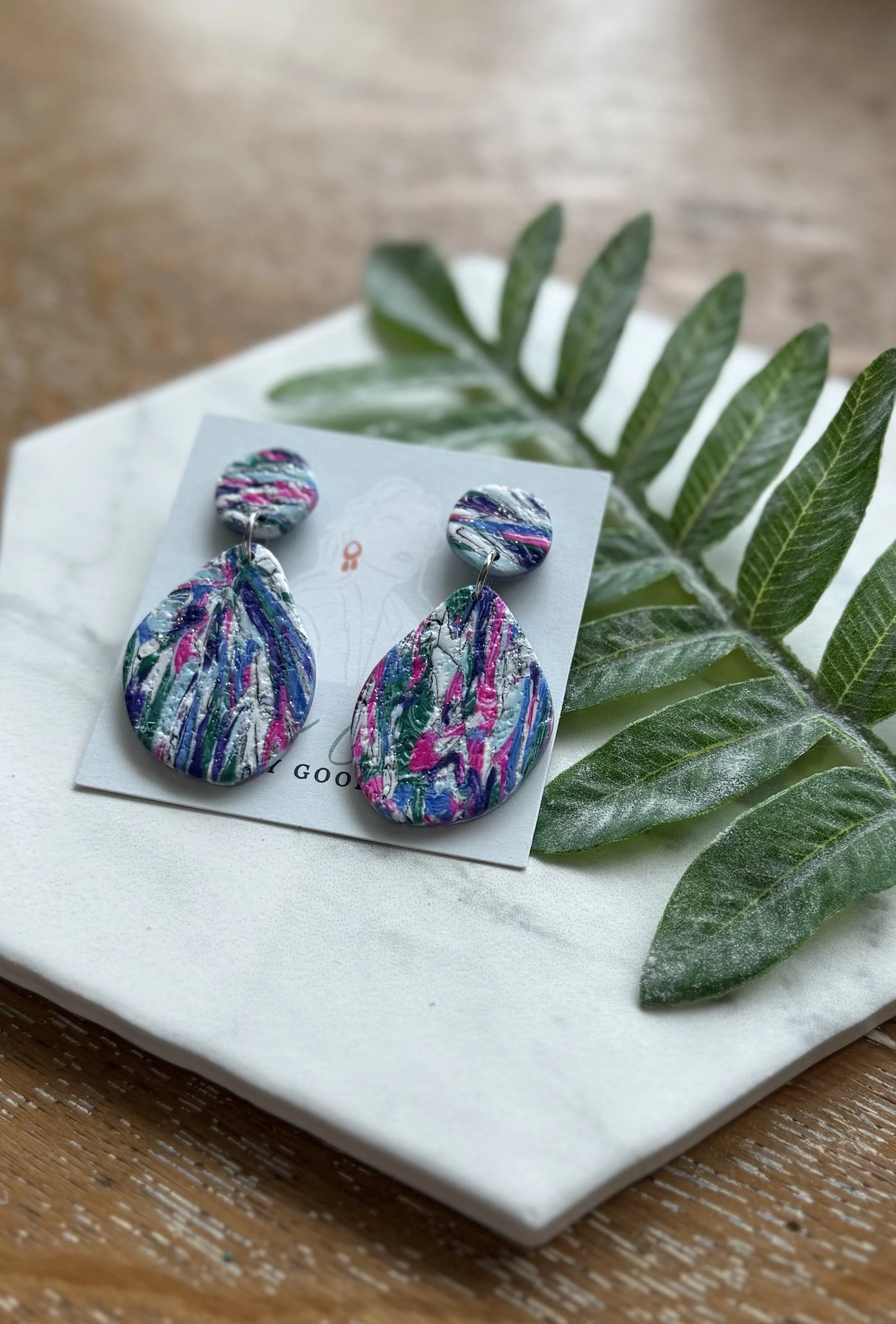
I didn't want quiet. I didn't want neutral or muted or hushed. When I sat down to design the Winter Mini Collection, I was craving bold, unapologetic color — the kind that cuts through gray days and long nights. Magenta. Royal purple. Cobalt blue. Emerald green. This is the story behind the first collection in the Seasons of You series.
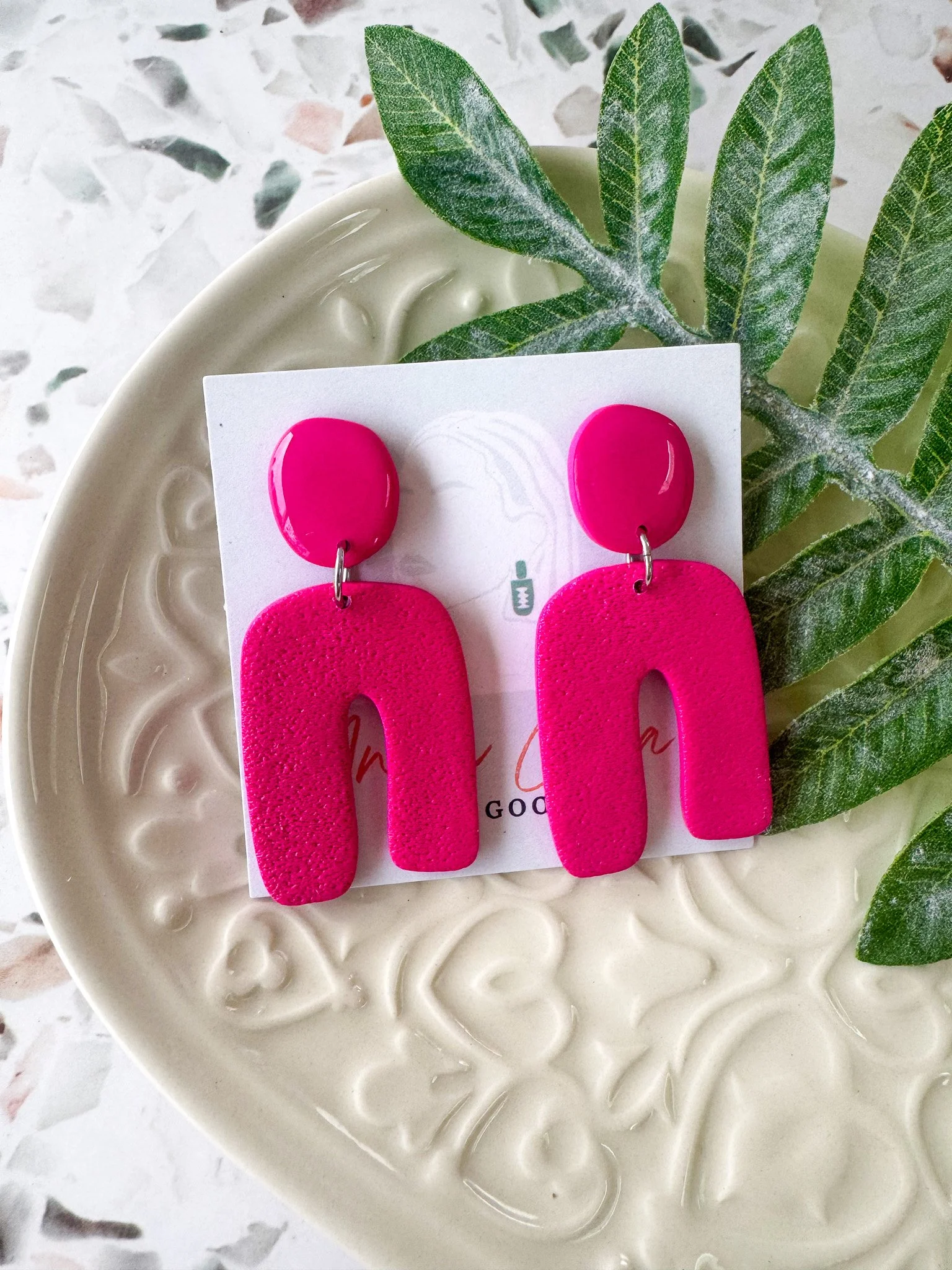
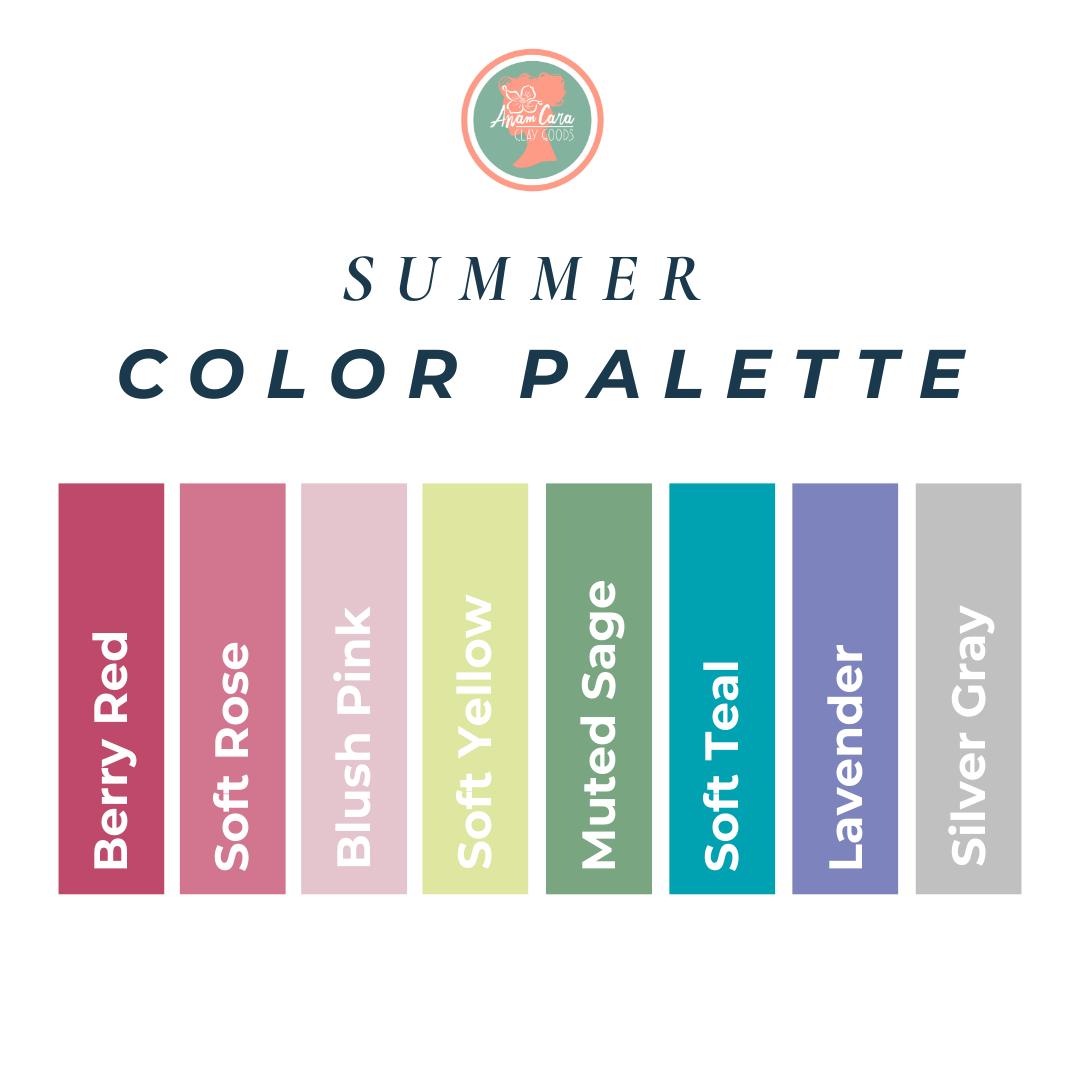
I'm a True Summer. The BFF collection — all warm coral and bright Valentine's pink — is not my palette. I kept two pairs anyway. And when someone gifted me a fuchsia dress, those earrings became one of my favorite combinations to wear. This is the post where I play devil's advocate with the color analysis series I just built — because the framework is useful, but it is not a law.
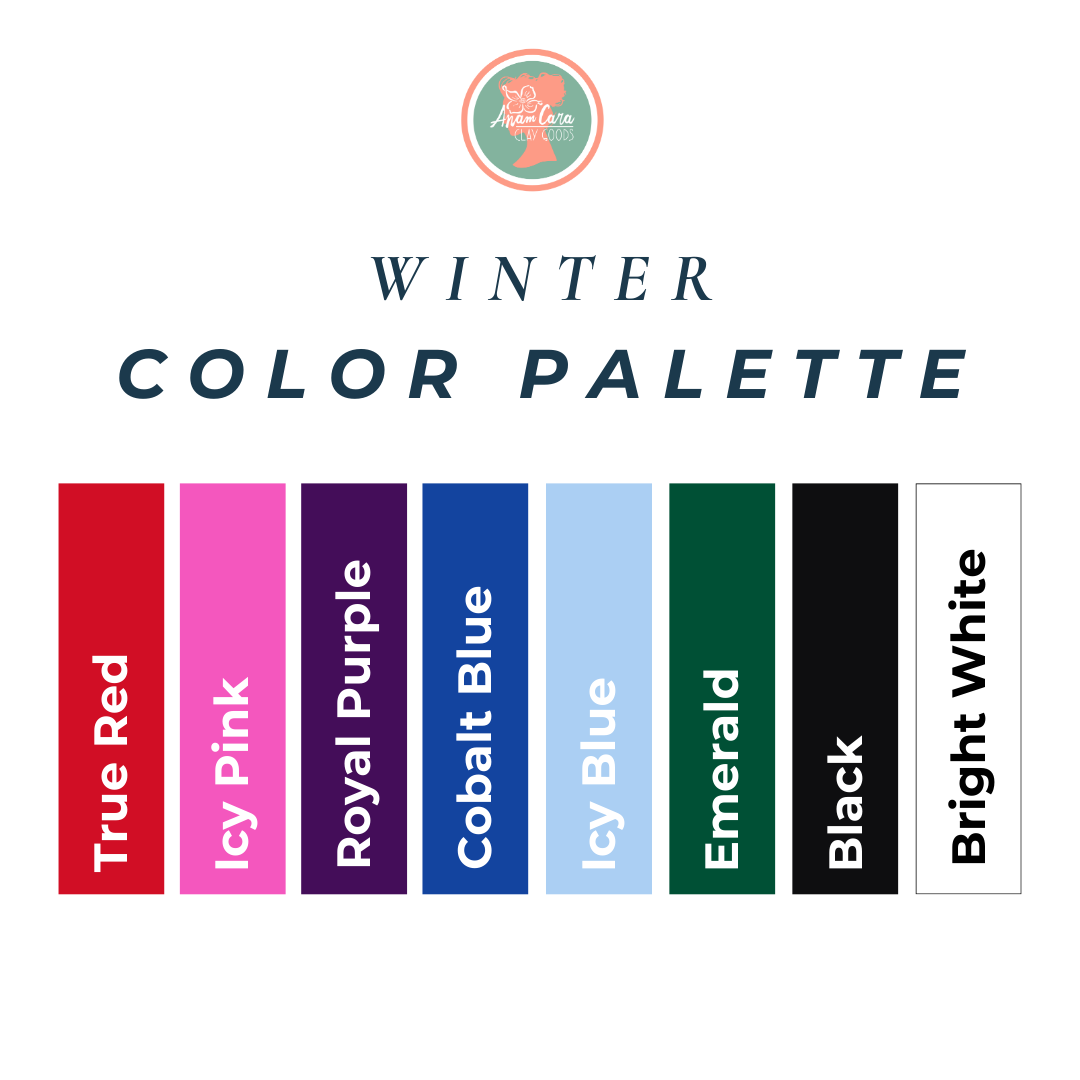
Winter is the season that makes people stop. Not in a subtle way — in a who is that way. There is a clarity to Winter coloring that is genuinely striking. High contrast, cool tones, deep or bold color. A Winter woman does not blend in. She was not built for it. Here is the jewelry that was built for her.
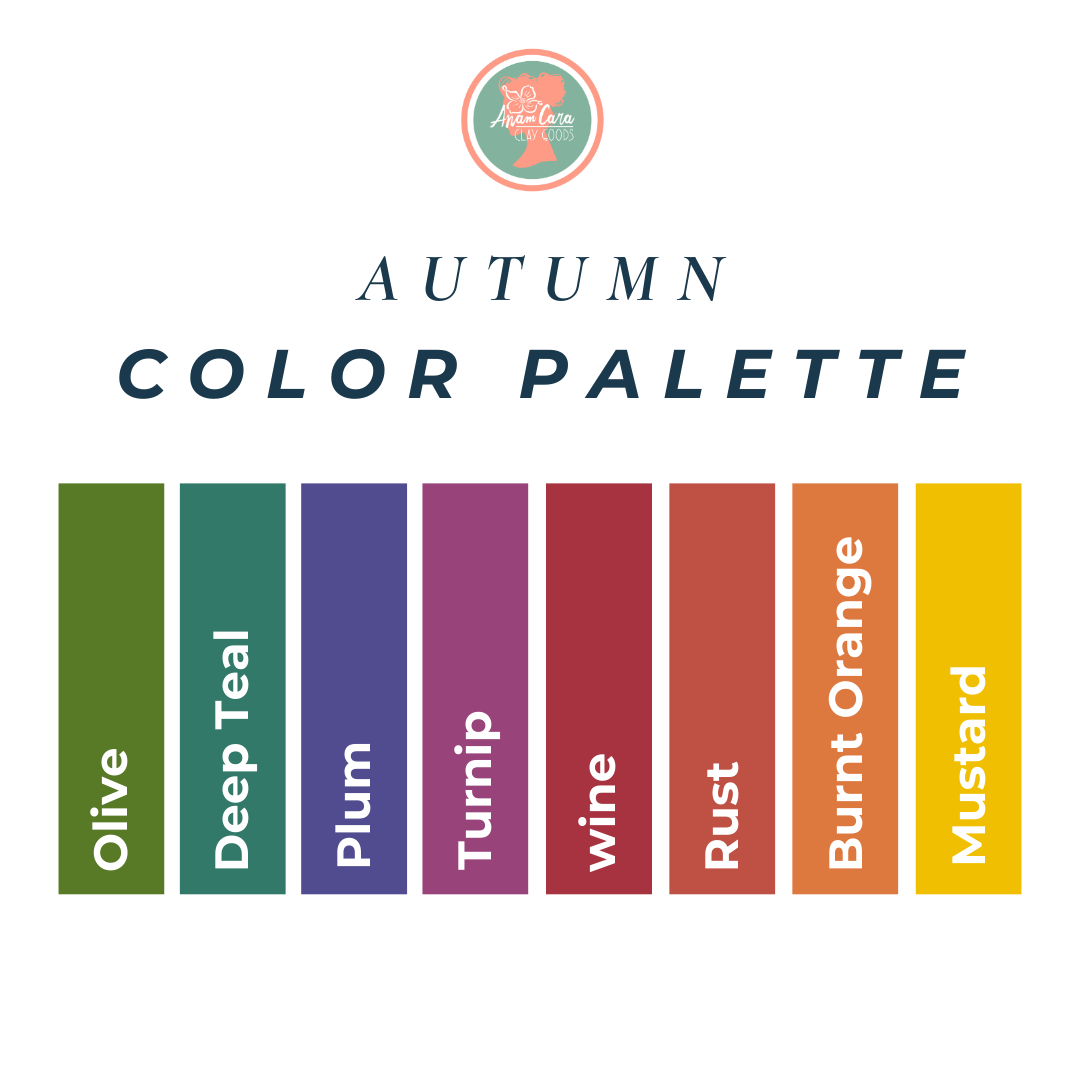
You know an Autumn woman when you see her. She is the one who looks absolutely extraordinary in October — like the whole world shifted its palette to match her. Rust and her hair are having a moment. Olive and her eyes are in full conversation. If Autumn is your season, your jewelry collection should know it.
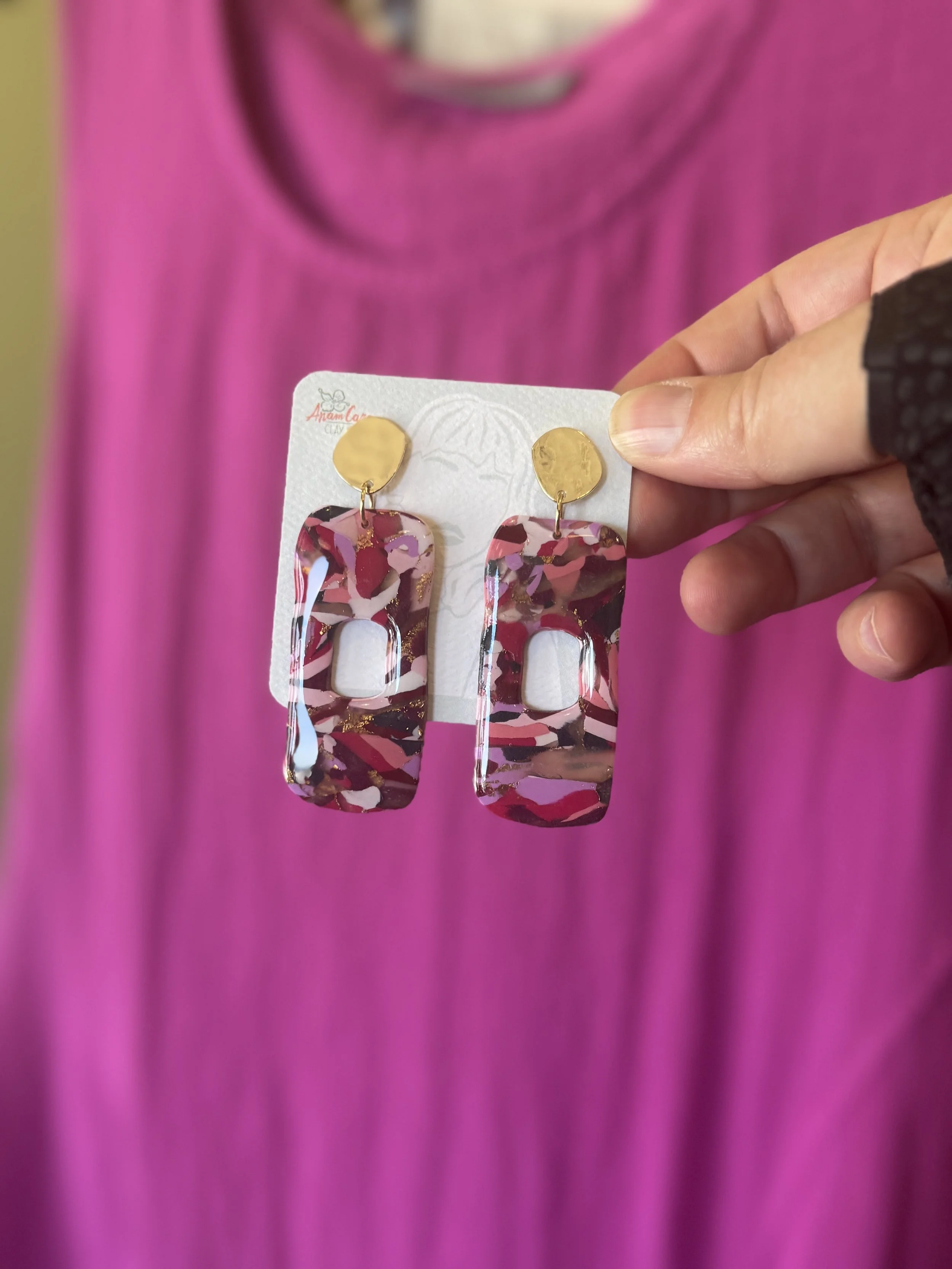
Before my very first market, I made myself a pair of earrings. Rosy pink. Soft blue. A little blush. I did not know then what I know now about color analysis — I just knew those colors felt like me. It was not until I learned I was a True Summer that I understood why my instincts already knew my palette.
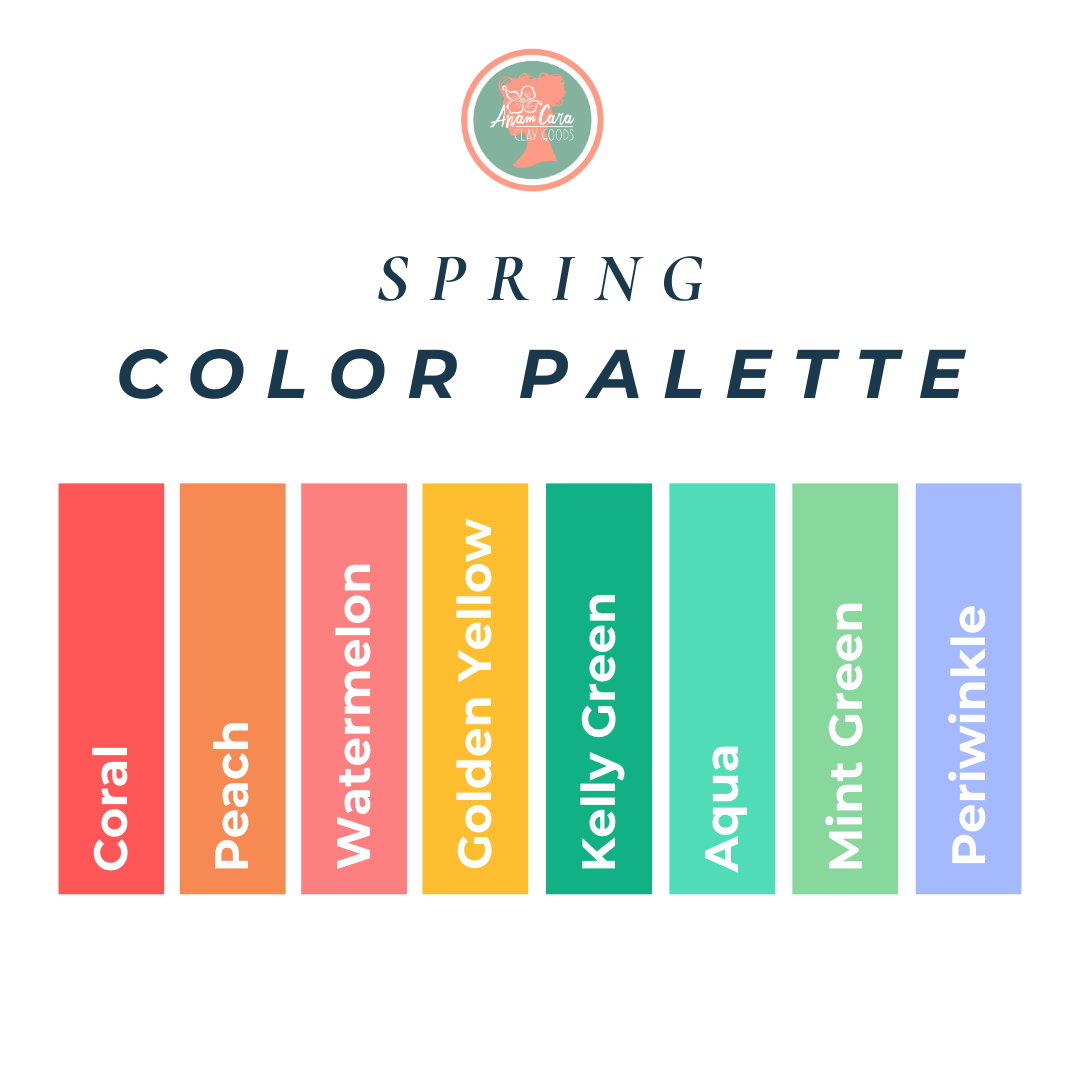
There is a specific kind of woman I think of when I'm reaching for coral and warm aqua at my worktable. She's the one who lights up a room without trying. Her coloring has this natural warmth and freshness to it — like she just came in from somewhere sunny. Everything about her reads alive. That's Spring. And if it's your season, your jewelry should feel exactly the same way.
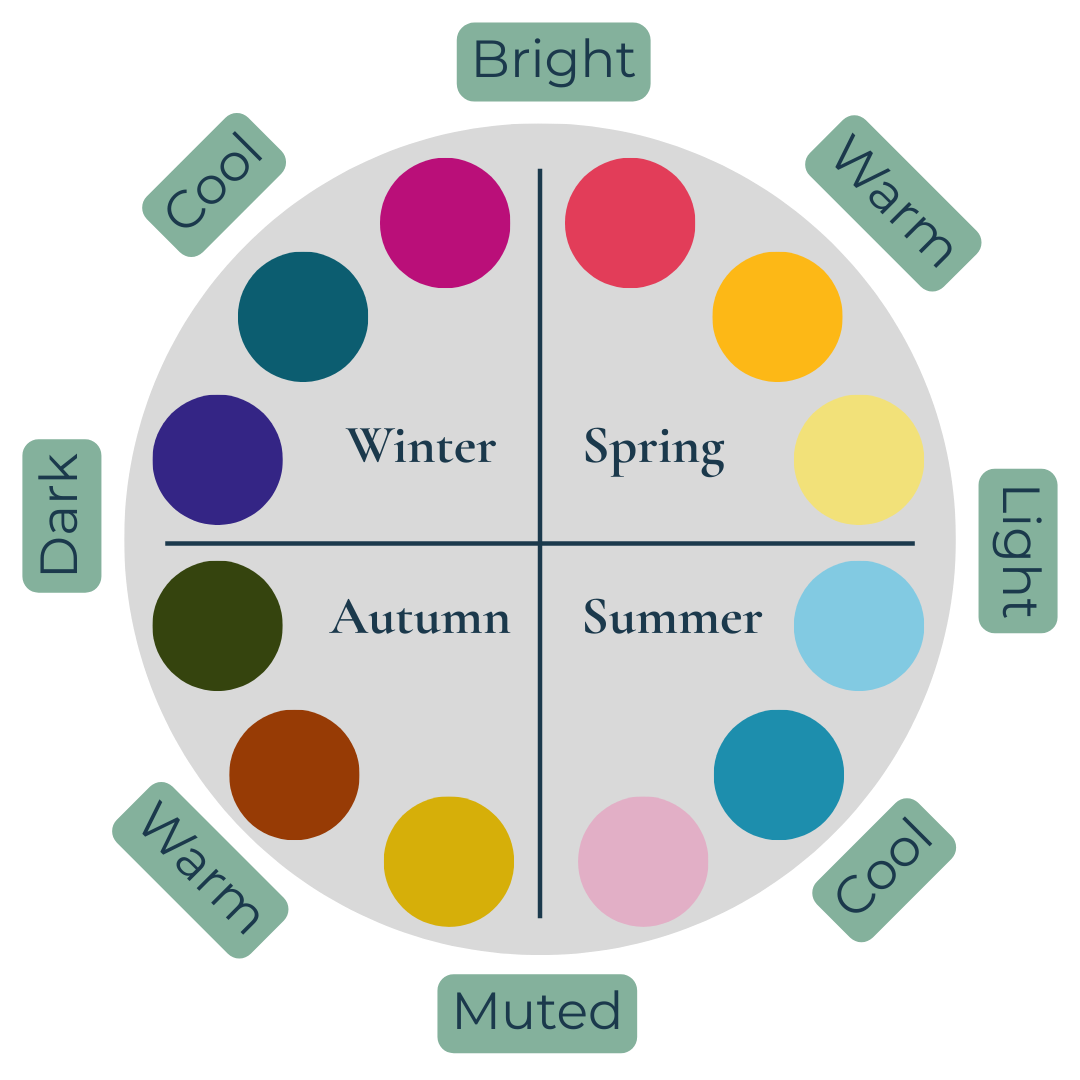
I didn't really know what seasonal color analysis was when I started Anam Cara Clay Goods. I'd seen things online and filed it away. Then it kept showing up everywhere — in conversations, in communities, in the way people talked about finally feeling like themselves. So I did what I always do: I went into full research mode. What I found changed the way I make jewelry. And personally? It changed everything.
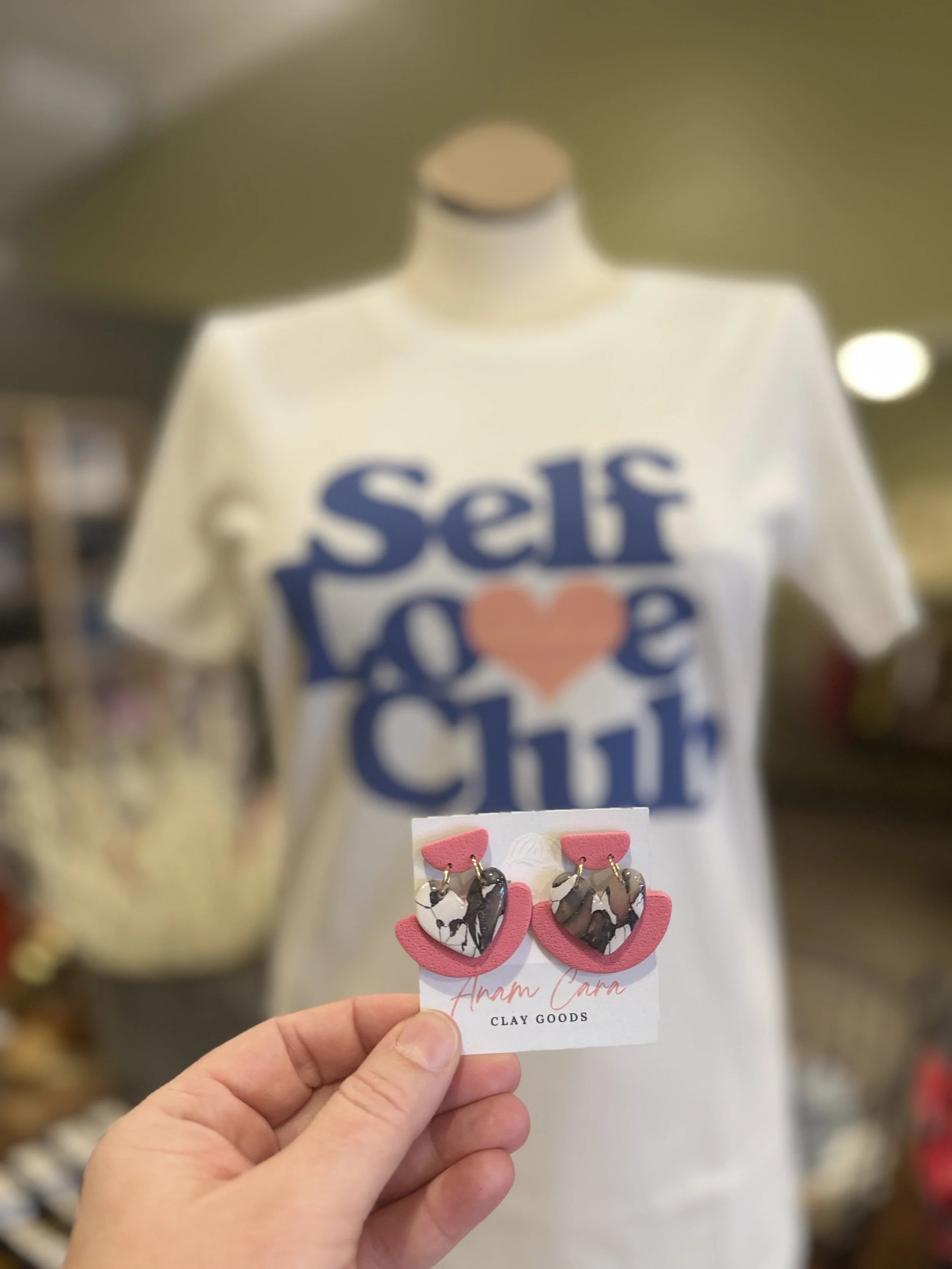
The Self-Love Club has no membership requirements, no minimum purchase, and absolutely no wellness aesthetic required. It's just a group of women trying to show up for themselves — imperfectly, inconsistently, and with a lot more grace than we usually think we deserve. I've been practicing this for a while now, and I'm still terrible at it some days. Here's what I've figured out anyway.
A college retreat leader once told me: don't anticipate, participate. I wrote it down and forgot about it for fifteen years. Then I got sick, and making things with my hands became the only place I could actually be. That's when I finally understood what she meant.
Buying jewelry for someone else is genuinely hard, and I say that as someone who makes it for a living. There are a few things I've learned — from customers, from markets, from watching people light up and watching people politely smile — that make all the difference. Here's what actually works.
I'm just going to say it upfront: Anam Cara Clay Goods is not my primary income. My dad was a full-time artist his whole life, and I watched what that cost him. I made a different choice — and I want to talk about why that choice doesn't make this business any less real. If anything, it makes it more honest.


Gatekeeping gets a lot of heat on social media. The idea that any creator who does not freely share every technique and resource is withholding something that belongs to other people. I have thoughts about this.